


Top Orthodontist in Hilliard, OH
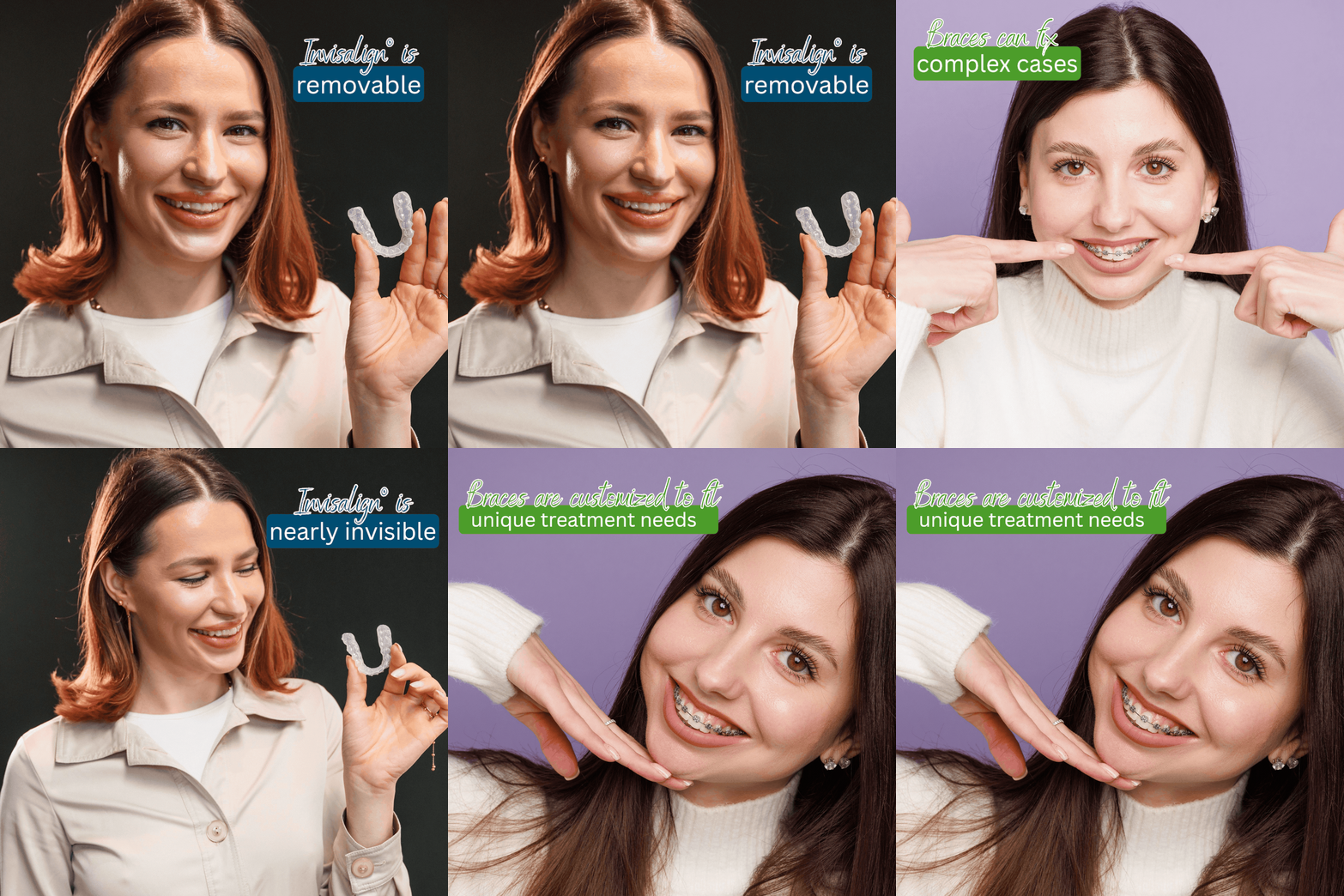
A beautiful smile is now just an appointment away. Whether using Clear Aligners or Braces, we are here to meet all your orthodontic needs and help you achieve a perfect smile.
Top Orthodontist in Hilliard, OH
A beautiful smile is now just an appointment away. Whether using Clear Aligners or Braces, we are here to meet all your orthodontic needs and help you achieve a perfect smile.
Up to $500 OFF orthodontic Treatment
Orthodontic Treatment starting as low as $149/mo
Top Orthodontist in Hilliard, OH
A beautiful smile is now just an appointment away. Whether using Clear Aligners or Braces, we are here to meet all your orthodontic needs and help you achieve a perfect smile.
Up to $500 OFF orthodontic Treatment
Orthodontic Treatment starting as low as $149/mo
Early Treatment
Adult Treatment
Braces
Clear Aligners
Retention
Early Treatment
Adult Treatment
Braces
Clear Aligners
Retention
Get the Best Orthodontic Treatment in Hilliard, OH
If you feel insecure about your smile and don’t like the way your teeth function, then you should visit our Orthodontist in Hilliard, OH. We understand how protruding, misaligned, crooked, or gap teeth can take a toll on one’s appearance. It’s not only about the aesthetics, but it can also put you at a higher risk for tooth decay, periodontal disease, headaches, TMJ disorder, achy jaw muscles, & more.
Request Appointment
Choose Your Offer

Early Orthodontic Treatment
As a parent, your child's health is always the priority, and their oral health is no exception. The American Association of Orthodontists recommends that children receive their first orthodontic evaluation by age seven. At that stage, Dr. Spoonhower can identify subtle issues with jaw development, bite alignment, and tooth spacing that may not yet be visible to the untrained eye, and take action while your child's mouth is still growing and most responsive to treatment.
At Spoonhower Orthodontics, early treatment isn't about putting braces on kids as soon as possible. It's about monitoring your child's development carefully and stepping in at exactly the right moment, when a small intervention today can prevent a much more complex and costly issue tomorrow.
Braces
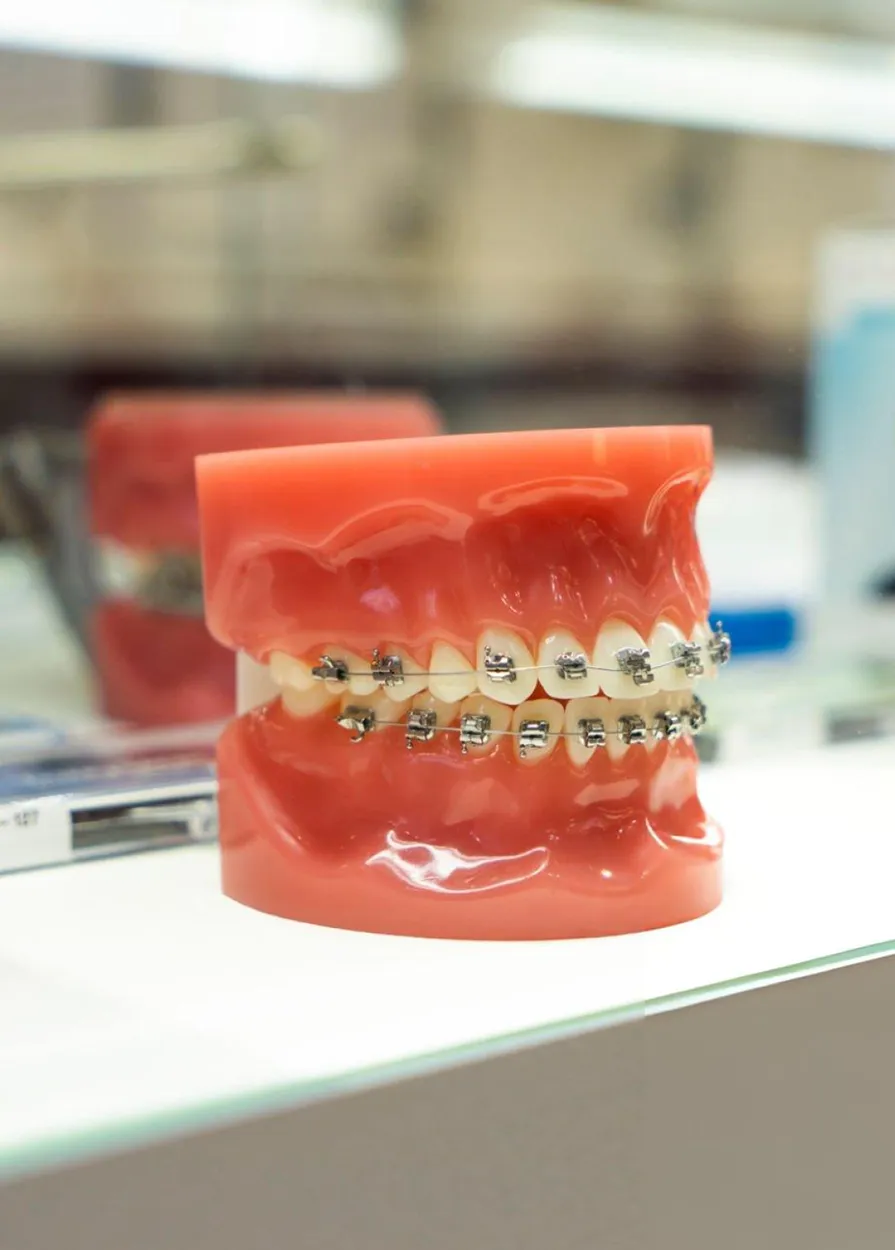
Braces remain one of the most effective and time-tested orthodontic solutions available and for good reason. Whether you're addressing crowded teeth, bite issues, or spacing concerns, braces work by applying consistent, controlled pressure over time to guide your teeth into their ideal positions. The result is a straighter, healthier smile that lasts a lifetime.
At Spoonhower Orthodontics, we offer both metal and ceramic braces, each carefully tailored to meet your individual clinical needs and personal preferences. Dr. Spoonhower will help you determine which option is the right fit for your smile during your complimentary consultation.

Clear Aligners
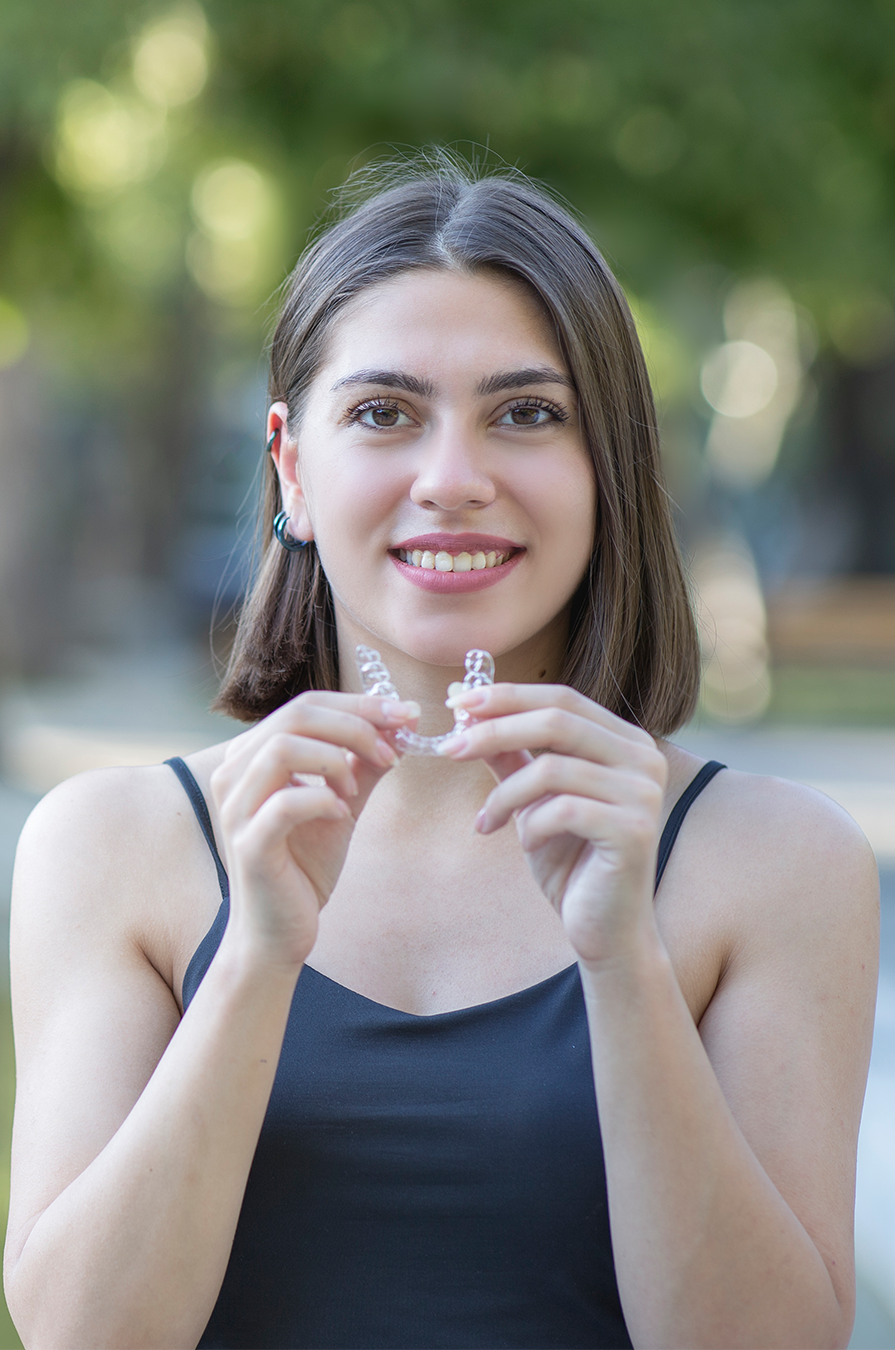
If the idea of straightening your teeth appeals to you but traditional braces don't quite fit your lifestyle, clear aligners may be exactly what you've been looking for. At Spoonhower Orthodontics, we offer custom clear aligner treatment as a discreet, flexible, and highly effective alternative to conventional braces, for both teens and adults.
Clear aligners work through a series of precisely engineered, removable trays that gradually shift your teeth into their ideal positions. Each set of trays is custom-fabricated to fit your smile exactly, and you progress through the series at intervals directed by Dr. Spoonhower. The result is a beautifully aligned smile, achieved without a single bracket or wire.
We are proud to offer 3M Clarity Aligners at our Hilliard practice, a leading clear aligner system trusted by orthodontic specialists for its precision, comfort, and reliable clinical outcomes.
Orthodontic Retainers
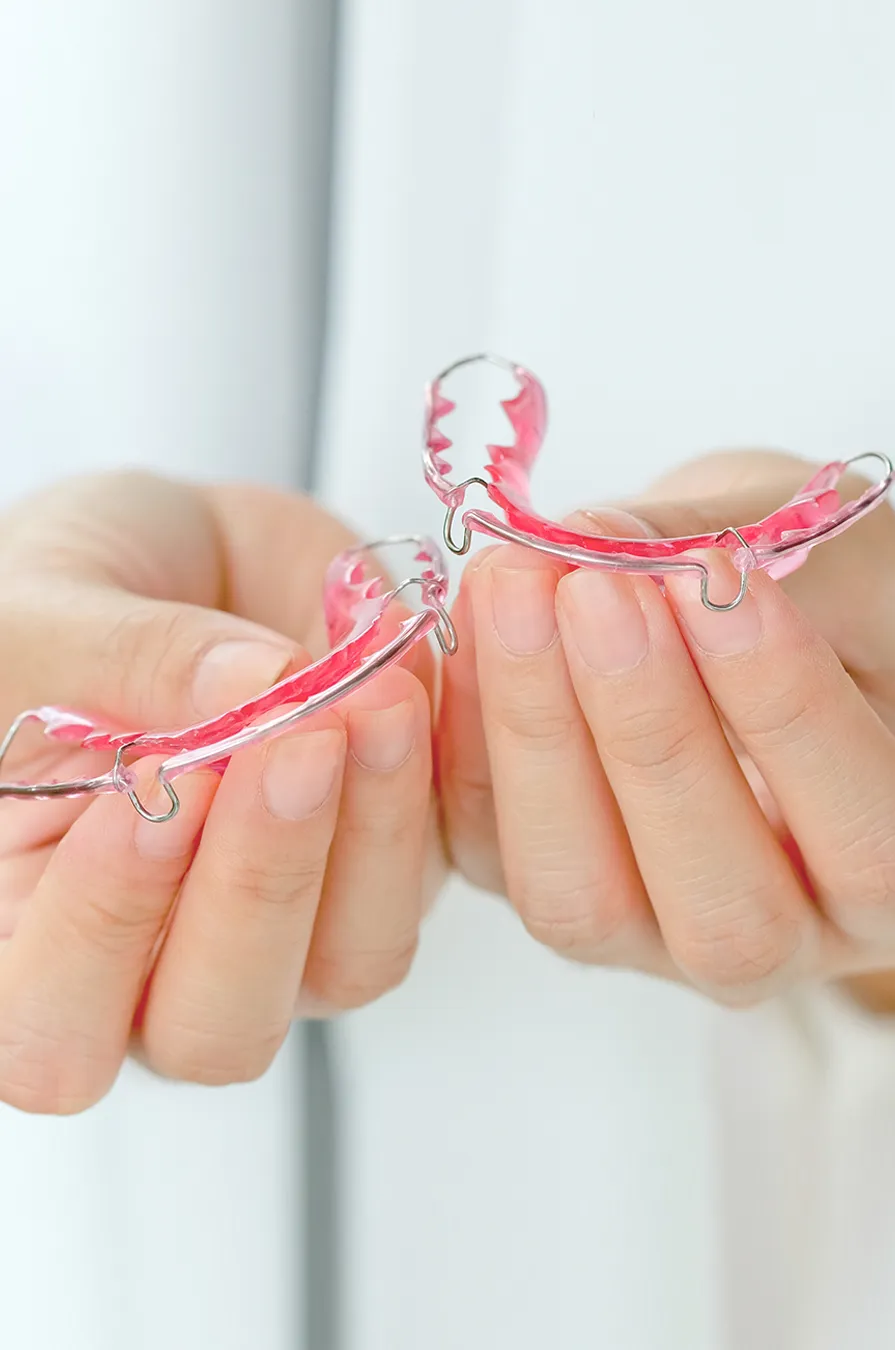
Completing your orthodontic treatment is a milestone worth celebrating. But the work doesn't quite end when your braces come off or your last aligner tray is finished. Teeth have a natural tendency to gradually drift back toward their original positions over time, a process that can undo months or years of careful treatment if not properly managed.
That's where retention comes in. At Spoonhower Orthodontics, we consider retention to be just as important as the treatment that came before it. A well-designed retention plan protects everything you've worked toward and ensures your beautifully aligned smile remains exactly where it belongs, for life.
Dr. Spoonhower will recommend the retainer type that best suits your specific needs, your treatment history, and your lifestyle. Every retention plan at our practice is as personalized as every treatment plan.

Early Orthodontic Treatment
As a parent, your child's health is always the priority, and their oral health is no exception. The American Association of Orthodontists recommends that children receive their first orthodontic evaluation by age seven. At that stage, Dr. Spoonhower can identify subtle issues with jaw development, bite alignment, and tooth spacing that may not yet be visible to the untrained eye, and take action while your child's mouth is still growing and most responsive to treatment.
At Spoonhower Orthodontics, early treatment isn't about putting braces on kids as soon as possible. It's about monitoring your child's development carefully and stepping in at exactly the right moment, when a small intervention today can prevent a much more complex and costly issue tomorrow.
Adult Orthodontic Treatment
Straight teeth aren't just for teenagers. Today, adults make up a significant and growing portion of orthodontic patients, and for good reason. Whether you had treatment as a child and your teeth have shifted over time, or you never had the opportunity to pursue orthodontic care earlier in life, it's never too late to invest in a healthier, more confident smile.
At Spoonhower Orthodontics, we understand that adult patients have unique priorities. You want results, but you also want treatment that fits your professional life, your schedule, and your budget. Dr. Spoonhower and our team have extensive experience treating adult patients and will work with you to find the approach that makes the most sense for your lifestyle, without compromising on the quality of your outcome.

Braces
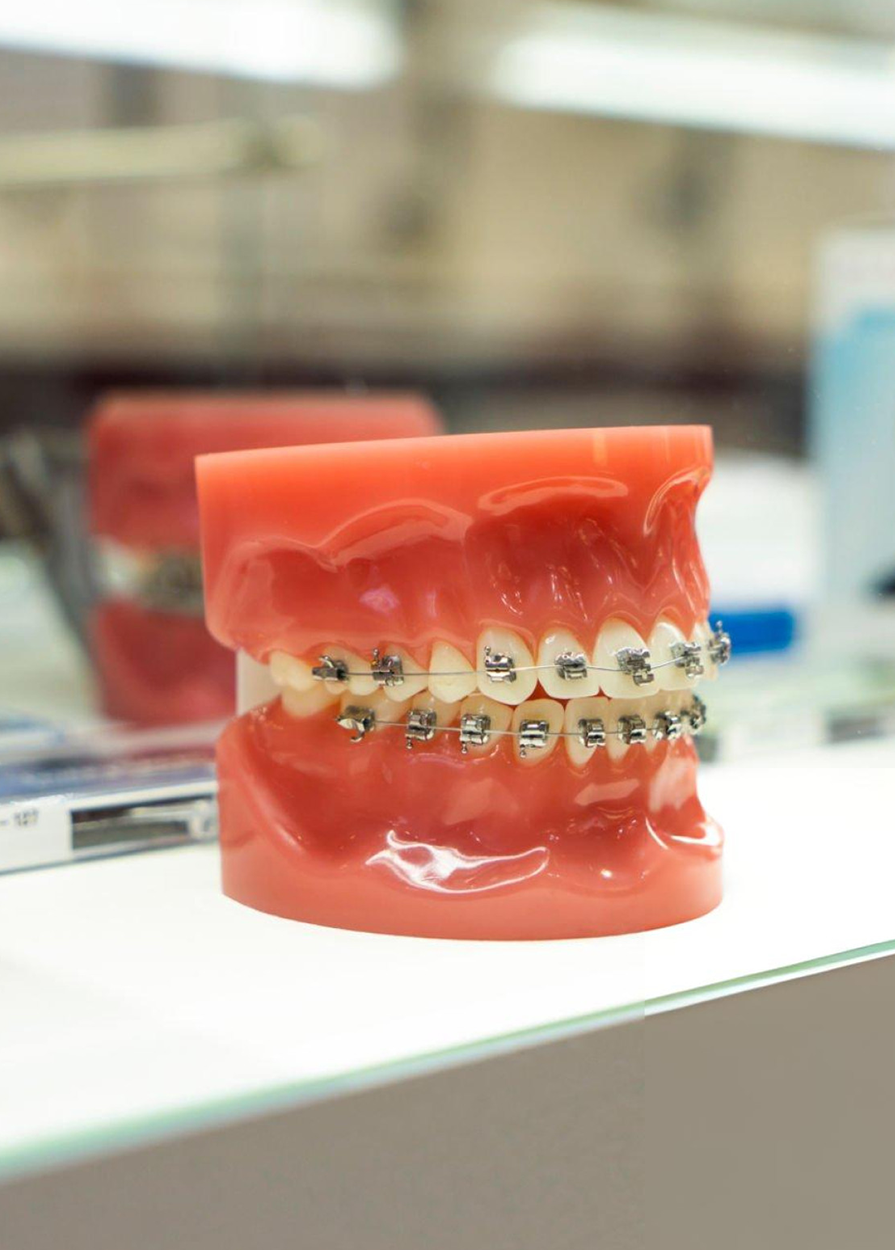
Braces remain one of the most effective and time-tested orthodontic solutions available and for good reason. Whether you're addressing crowded teeth, bite issues, or spacing concerns, braces work by applying consistent, controlled pressure over time to guide your teeth into their ideal positions. The result is a straighter, healthier smile that lasts a lifetime.
At Spoonhower Orthodontics, we offer both metal and ceramic braces, each carefully tailored to meet your individual clinical needs and personal preferences. Dr. Spoonhower will help you determine which option is the right fit for your smile during your complimentary consultation.
Clear Aligners
If the idea of straightening your teeth appeals to you but traditional braces don't quite fit your lifestyle, clear aligners may be exactly what you've been looking for. At Spoonhower Orthodontics, we offer custom clear aligner treatment as a discreet, flexible, and highly effective alternative to conventional braces, for both teens and adults.
Clear aligners work through a series of precisely engineered, removable trays that gradually shift your teeth into their ideal positions. Each set of trays is custom-fabricated to fit your smile exactly, and you progress through the series at intervals directed by Dr. Spoonhower. The result is a beautifully aligned smile, achieved without a single bracket or wire.
We are proud to offer 3M Clarity Aligners at our Hilliard practice, a leading clear aligner system trusted by orthodontic specialists for its precision, comfort, and reliable clinical outcomes.
Orthodontic Retainers
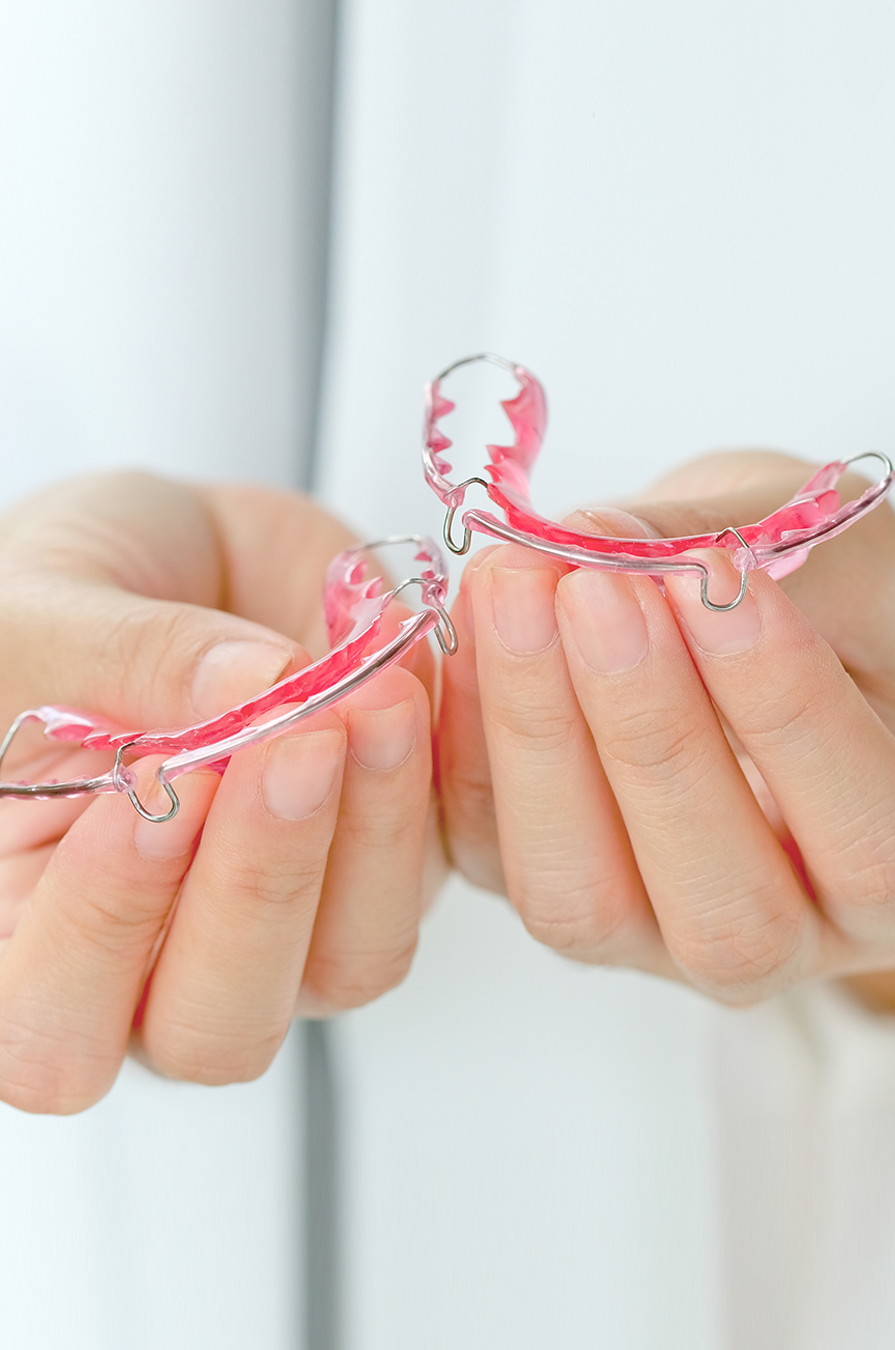
Completing your orthodontic treatment is a milestone worth celebrating. But the work doesn't quite end when your braces come off or your last aligner tray is finished. Teeth have a natural tendency to gradually drift back toward their original positions over time, a process that can undo months or years of careful treatment if not properly managed.
That's where retention comes in. At Spoonhower Orthodontics, we consider retention to be just as important as the treatment that came before it. A well-designed retention plan protects everything you've worked toward and ensures your beautifully aligned smile remains exactly where it belongs, for life.
Dr. Spoonhower will recommend the retainer type that best suits your specific needs, your treatment history, and your lifestyle. Every retention plan at our practice is as personalized as every treatment plan.
Meet Our Doctor
Dr. Christopher Spoonhower
Dr. Christopher Spoonhower has provided exceptional orthodontic care for more than 20 years. He earned his dental degree, orthodontic specialty training, and master's degree from Case Western Reserve University, where he graduated first in his class and received multiple academic honors. Committed to excellence, Dr. Spoonhower is an active member of leading dental and orthodontic organizations and regularly participates in advanced continuing education and study clubs to stay current with the latest techniques and innovations, ensuring patients receive the highest quality orthodontic care possible.
Meet Our Doctor

Dr. Christopher Spoonhower
Dr. Christopher Spoonhower has provided exceptional orthodontic care for more than 20 years. He earned his dental degree, orthodontic specialty training, and master's degree from Case Western Reserve University, where he graduated first in his class and received multiple academic honors. Committed to excellence, Dr. Spoonhower is an active member of leading dental and orthodontic organizations and regularly participates in advanced continuing education and study clubs to stay current with the latest techniques and innovations, ensuring patients receive the highest quality orthodontic care possible.
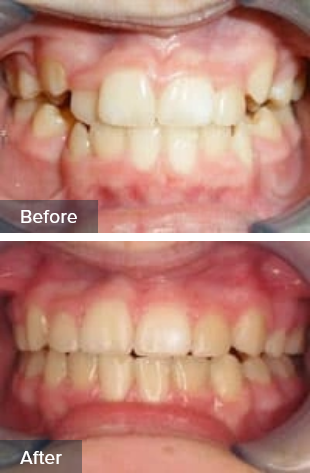
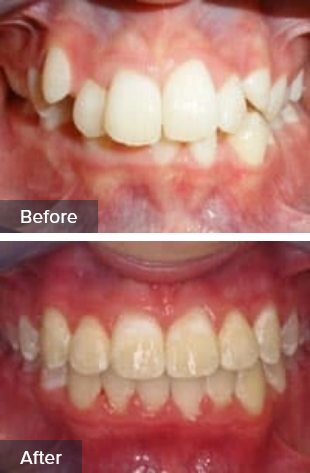
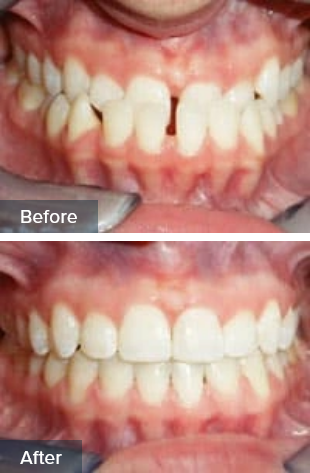
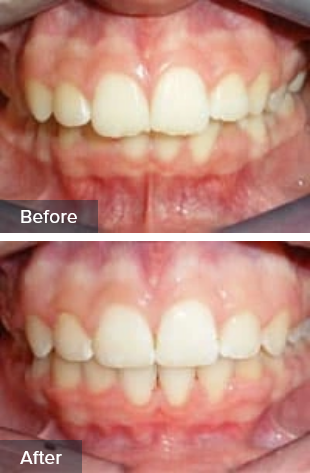
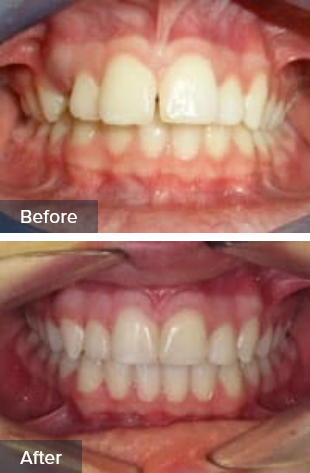
Our Smile Transformations
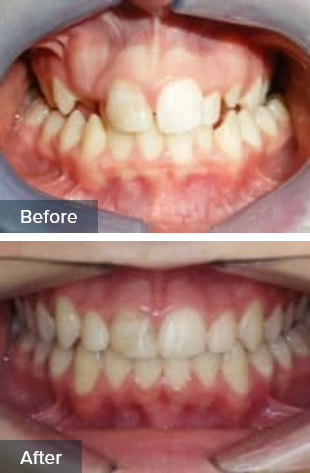
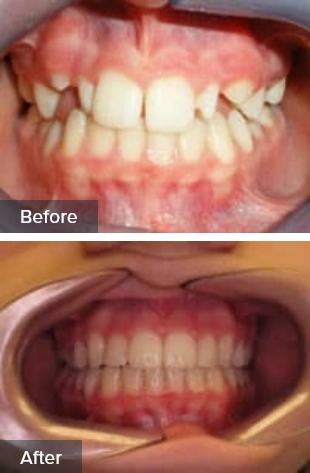
See how Spoonhower Orthodontics Hilliard helps you shine bright. Our before-and-after gallery showcases real results from real patients, a testament to what personalized, expert orthodontic care can achieve for smiles of all ages.
Let’s Build You a Smile
You’ll Be Proud Of.
Insurance & Financing Options
We accept many insurance plans and offer flexible payment options to make orthodontic treatment more affordable. Our team will verify your insurance benefits, explain your coverage, and help you choose the payment solution that best fits your budget.
Flexible Payment Methods
Choose from pay-in-full discounts, family discounts, HSA/FSA payments, interest-free in-office financing, and all major payment methods—making it easy to get the care you need on a budget.
Financing Made Easy With CareCredit
Get started now and pay over time with CareCredit. Enjoy flexible monthly payments, including low- and no-interest plans for qualified applicants, making orthodontic treatment more affordable and accessible.

Why should I see an orthodontic specialist rather than a general dentist?
Orthodontic treatment permanently changes the position of your teeth and, in many cases, the structure of your facial bones and jaw. Because of this, it's important that treatment is carried out by a specialist with the right training and expertise. Orthodontists complete an additional two to three years of advanced specialty education beyond dental school — focused entirely on the diagnosis, prevention, and treatment of misaligned teeth and jaws. This specialized training allows Dr. Spoonhower to provide precise, personalized treatment plans that general dentists simply aren't trained to deliver.
At what age should my child have their first orthodontic screening?
The American Association of Orthodontists recommends that children have their first orthodontic evaluation by age seven. At this stage, several permanent teeth have typically erupted, giving Dr. Spoonhower a clear picture of how your child's bite is developing. Early evaluation doesn't always lead to immediate treatment — but it gives us the opportunity to monitor development and intervene at exactly the right moment if needed.
Will my child's teeth straighten out on their own as my child grows?
Unfortunately, no. Contrary to what many parents hope, teeth do not naturally straighten out over time. In most people, the space available for the front teeth actually decreases as the permanent molars erupt and the jaw matures. Without intervention, crowding and misalignment tend to remain — or worsen — with age.
Is orthodontic treatment only for children and teenagers?
Not at all. Adults make up a significant and growing portion of orthodontic patients today — approximately 25 percent of all orthodontic patients are adults. Health, function, and confidence matter at every age, and orthodontic treatment can deliver meaningful improvements regardless of when you pursue it. Dr. Spoonhower welcomes patients of all ages at our Hilliard practice.
Is it too late to get braces as an adult?
There is no upper age limit for orthodontic treatment. As long as your teeth and gums are in reasonably good health, you are a candidate for treatment. Many of our adult patients tell us they wish they had come in sooner — and that the process was far easier and more comfortable than they expected.
How long will orthodontic treatment take?
Treatment duration varies depending on the complexity of each patient's specific orthodontic needs. In general, most treatment plans range from 12 to 30 months. The average time a patient spends in braces is approximately 22 months. Dr. Spoonhower will give you a personalized timeline estimate at your consultation after reviewing your specific situation.
How often will I need to come in for appointments?
Appointment frequency is determined by your individual treatment needs. Most patients in braces are seen every six to eight weeks for routine adjustment appointments. If your treatment requires more frequent monitoring at certain stages, we'll schedule accordingly and keep you informed well in advance.
Can I drop my child off for their appointment?
Yes — we understand that life is busy and schedules don't always allow parents to stay for the full appointment. We're happy to accommodate drop-offs. On some occasions, we may ask to speak briefly with a parent when they return, so we do ask that parents check in with their patient care coordinator before leaving their child with us.
Do I still need to see my regular dentist while in orthodontic treatment?
Absolutely. Regular dental check-ups and cleanings are especially important during orthodontic treatment. Your general dentist will monitor the health of your teeth and gums and clean areas that can be harder to reach with braces or aligners. Your dentist will also help determine the appropriate interval between cleaning appointments based on your oral health during treatment.
Will I need teeth removed as part of my treatment?
Not necessarily — and at Spoonhower Orthodontics, extraction is never recommended unless it is genuinely in the patient's best clinical interest. In some cases involving significant crowding or bite discrepancies, the removal of certain teeth can create the space needed for optimal alignment. Dr. Spoonhower will discuss whether extractions are part of your recommended treatment plan during your consultation.
Do braces hurt?
Braces are designed to move teeth gradually and gently — so significant pain is not typical. After your braces are first placed and following each adjustment appointment, it's common to experience some mild soreness or pressure for a few days as your teeth respond to the new forces being applied. Over-the-counter pain relievers such as acetaminophen or ibuprofen can help ease any discomfort. After most routine visits, patients report little to no soreness at all.
Can I play sports while wearing braces?
Yes — braces should not stop you from participating in sports or physical activities. We do strongly recommend wearing a mouthguard during any contact sport to protect both your teeth and your appliance from impact. We can help you find a comfortable option that works well alongside your braces.
Can I play a musical instrument with braces?
Yes, though musicians may notice a brief adjustment period — particularly those who play wind or brass instruments. Most patients adapt quickly, and braces do not cause any permanent limitation to musical ability.
Are there foods I need to avoid with braces?
Yes. Certain foods can damage brackets or wires and should be avoided throughout treatment. These include hard candies, ice, popcorn, nuts, chewing gum, caramel, taffy, and other sticky or chewy foods. Raw vegetables should be cut into small pieces rather than bitten into directly. When your braces are placed, our team will walk you through a full list of dietary guidelines — following them carefully is one of the best ways to avoid unnecessary repair appointments.
How often should I brush my teeth while wearing braces?
We recommend brushing after every meal and before bed — at minimum four times per day. Food and plaque can accumulate easily around brackets and wires, increasing the risk of decay and gum issues if oral hygiene is not maintained diligently. Our team will show you the most effective brushing and flossing techniques for use during treatment, and we may recommend a fluoride rinse or prescription fluoride treatment for added protection.
How do clear aligners differ from braces?
Both braces and clear aligners are designed to move teeth into better alignment, but they do so differently. Braces use fixed brackets and wires bonded to the teeth, while clear aligners are a series of removable, custom-fitted trays worn over the teeth. Aligners are virtually invisible and can be removed for eating and oral hygiene. Braces typically offer more precise control for complex cases. The right choice depends on your specific clinical needs and lifestyle — Dr. Spoonhower will help you determine the best option during your consultation.
How much does orthodontic treatment cost?
Treatment costs vary depending on the type of treatment recommended, the complexity of your case, and the length of your treatment plan. At Spoonhower Orthodontics, we are committed to making care affordable and will provide you with a clear, transparent cost breakdown after your consultation. We never surprise patients with hidden fees.
Do you accept dental insurance?
Yes — we accept most major dental and orthodontic insurance plans and will verify your benefits before your first appointment. Our team handles the insurance filing process on your behalf, making it as straightforward as possible for you.
What financing options are available?
We offer a variety of flexible payment solutions including in-office payment plans, no-interest financing, CareCredit, and HSA/FSA payment options. We also offer pay-in-full discounts and family discounts for households with multiple patients in treatment. Our team will work with you to find a financial arrangement that fits your budget.
Is the consultation really free?
Yes — completely. Your initial consultation with Dr. Spoonhower is complimentary and comes with no obligation to proceed with treatment. It's simply an opportunity for you to get the information you need to make a confident, informed decision about your smile.
How do I handle a broken bracket or loose wire at home?
Minor orthodontic issues can often be managed temporarily at home while you wait for your appointment. Orthodontic wax can be used to cover any poking wires or sharp edges. Sterilized nail clippers or tweezers can help reposition or trim a wire if necessary. Always call our office to report the issue and schedule a repair visit — even if you've managed the discomfort at home, a professional repair is still needed.
What should I do if I lose or damage my retainer?
Contact our office as soon as possible. The longer you go without your retainer, the more opportunity your teeth have to shift. We'll arrange to have a replacement made quickly to minimize any movement.
Can I whiten my teeth during orthodontic treatment?
We generally recommend waiting until your treatment is complete before whitening. With braces, whitening products cannot reach the areas covered by brackets, which can result in uneven coloration when the braces are removed. Once your braces are off and your retainer is in place, we can discuss the best whitening options for your smile.
What happens if I miss an appointment?
Orthodontic treatment progresses in carefully planned stages, and missed appointments can extend your overall treatment timeline. We understand that scheduling conflicts happen, and we'll always do our best to reschedule you as quickly as possible. Please give us as much notice as you can if you need to cancel or reschedule.
Will orthodontic treatment affect my speech?
Most patients adapt quickly to their appliances with little or no noticeable change in speech. Some patients experience a brief adjustment period in the first few days — particularly with clear aligners or certain appliances — but this typically resolves on its own as the mouth adapts.
Will my teeth stay straight after treatment?
Yes — as long as you wear your retainer as directed. Teeth have a natural tendency to shift over time, and consistent retainer wear is the only reliable way to maintain your results long-term. Dr. Spoonhower will provide a personalized retention plan and retainer recommendations when your active treatment is complete.
How long do I need to wear my retainer?
Retainer wear is a lifelong commitment to protecting your results. Most patients begin with full-time wear and gradually transition to nightly use over the first year, then to several nights per week on an ongoing basis. The exact schedule will be tailored to your specific needs by Dr. Spoonhower.
What if my teeth shift after treatment?
If you notice your teeth shifting after treatment — particularly if you've gone through a period of inconsistent retainer wear — contact our office. Depending on the extent of the movement, options may include a new retainer, refinement aligners, or in some cases a short course of retreatment. The sooner you reach out, the more options are available to you.
Why should I see an orthodontic specialist rather than a general dentist?
Orthodontic treatment permanently changes the position of your teeth and, in many cases, the structure of your facial bones and jaw. Because of this, it's important that treatment is carried out by a specialist with the right training and expertise. Orthodontists complete an additional two to three years of advanced specialty education beyond dental school — focused entirely on the diagnosis, prevention, and treatment of misaligned teeth and jaws. This specialized training allows Dr. Spoonhower to provide precise, personalized treatment plans that general dentists simply aren't trained to deliver.
At what age should my child have their first orthodontic screening?
The American Association of Orthodontists recommends that children have their first orthodontic evaluation by age seven. At this stage, several permanent teeth have typically erupted, giving Dr. Spoonhower a clear picture of how your child's bite is developing. Early evaluation doesn't always lead to immediate treatment — but it gives us the opportunity to monitor development and intervene at exactly the right moment if needed.
Will my child's teeth straighten out on their own as my child grows?
Unfortunately, no. Contrary to what many parents hope, teeth do not naturally straighten out over time. In most people, the space available for the front teeth actually decreases as the permanent molars erupt and the jaw matures. Without intervention, crowding and misalignment tend to remain — or worsen — with age.
Is orthodontic treatment only for children and teenagers?
Not at all. Adults make up a significant and growing portion of orthodontic patients today — approximately 25 percent of all orthodontic patients are adults. Health, function, and confidence matter at every age, and orthodontic treatment can deliver meaningful improvements regardless of when you pursue it. Dr. Spoonhower welcomes patients of all ages at our Hilliard practice.
Is it too late to get braces as an adult?
There is no upper age limit for orthodontic treatment. As long as your teeth and gums are in reasonably good health, you are a candidate for treatment. Many of our adult patients tell us they wish they had come in sooner — and that the process was far easier and more comfortable than they expected.
How long will orthodontic treatment take?
Treatment duration varies depending on the complexity of each patient's specific orthodontic needs. In general, most treatment plans range from 12 to 30 months. The average time a patient spends in braces is approximately 22 months. Dr. Spoonhower will give you a personalized timeline estimate at your consultation after reviewing your specific situation.
How often will I need to come in for appointments?
Appointment frequency is determined by your individual treatment needs. Most patients in braces are seen every six to eight weeks for routine adjustment appointments. If your treatment requires more frequent monitoring at certain stages, we'll schedule accordingly and keep you informed well in advance.
Can I drop my child off for their appointment?
Yes — we understand that life is busy and schedules don't always allow parents to stay for the full appointment. We're happy to accommodate drop-offs. On some occasions, we may ask to speak briefly with a parent when they return, so we do ask that parents check in with their patient care coordinator before leaving their child with us.
Do I still need to see my regular dentist while in orthodontic treatment?
Absolutely. Regular dental check-ups and cleanings are especially important during orthodontic treatment. Your general dentist will monitor the health of your teeth and gums and clean areas that can be harder to reach with braces or aligners. Your dentist will also help determine the appropriate interval between cleaning appointments based on your oral health during treatment.
Will I need teeth removed as part of my treatment?
Not necessarily — and at Spoonhower Orthodontics, extraction is never recommended unless it is genuinely in the patient's best clinical interest. In some cases involving significant crowding or bite discrepancies, the removal of certain teeth can create the space needed for optimal alignment. Dr. Spoonhower will discuss whether extractions are part of your recommended treatment plan during your consultation.
Do braces hurt?
Braces are designed to move teeth gradually and gently — so significant pain is not typical. After your braces are first placed and following each adjustment appointment, it's common to experience some mild soreness or pressure for a few days as your teeth respond to the new forces being applied. Over-the-counter pain relievers such as acetaminophen or ibuprofen can help ease any discomfort. After most routine visits, patients report little to no soreness at all.
Can I play sports while wearing braces?
Yes — braces should not stop you from participating in sports or physical activities. We do strongly recommend wearing a mouthguard during any contact sport to protect both your teeth and your appliance from impact. We can help you find a comfortable option that works well alongside your braces.
Can I play a musical instrument with braces?
Yes, though musicians may notice a brief adjustment period — particularly those who play wind or brass instruments. Most patients adapt quickly, and braces do not cause any permanent limitation to musical ability.
Are there foods I need to avoid with braces?
Yes. Certain foods can damage brackets or wires and should be avoided throughout treatment. These include hard candies, ice, popcorn, nuts, chewing gum, caramel, taffy, and other sticky or chewy foods. Raw vegetables should be cut into small pieces rather than bitten into directly. When your braces are placed, our team will walk you through a full list of dietary guidelines — following them carefully is one of the best ways to avoid unnecessary repair appointments.
How often should I brush my teeth while wearing braces?
We recommend brushing after every meal and before bed — at minimum four times per day. Food and plaque can accumulate easily around brackets and wires, increasing the risk of decay and gum issues if oral hygiene is not maintained diligently. Our team will show you the most effective brushing and flossing techniques for use during treatment, and we may recommend a fluoride rinse or prescription fluoride treatment for added protection.
How do clear aligners differ from braces?
Both braces and clear aligners are designed to move teeth into better alignment, but they do so differently. Braces use fixed brackets and wires bonded to the teeth, while clear aligners are a series of removable, custom-fitted trays worn over the teeth. Aligners are virtually invisible and can be removed for eating and oral hygiene. Braces typically offer more precise control for complex cases. The right choice depends on your specific clinical needs and lifestyle — Dr. Spoonhower will help you determine the best option during your consultation.
How much does orthodontic treatment cost?
Treatment costs vary depending on the type of treatment recommended, the complexity of your case, and the length of your treatment plan. At Spoonhower Orthodontics, we are committed to making care affordable and will provide you with a clear, transparent cost breakdown after your consultation. We never surprise patients with hidden fees.
Do you accept dental insurance?
Yes — we accept most major dental and orthodontic insurance plans and will verify your benefits before your first appointment. Our team handles the insurance filing process on your behalf, making it as straightforward as possible for you.
What financing options are available?
We offer a variety of flexible payment solutions including in-office payment plans, no-interest financing, CareCredit, and HSA/FSA payment options. We also offer pay-in-full discounts and family discounts for households with multiple patients in treatment. Our team will work with you to find a financial arrangement that fits your budget.
Is the consultation really free?
Yes — completely. Your initial consultation with Dr. Spoonhower is complimentary and comes with no obligation to proceed with treatment. It's simply an opportunity for you to get the information you need to make a confident, informed decision about your smile.
How do I handle a broken bracket or loose wire at home?
Minor orthodontic issues can often be managed temporarily at home while you wait for your appointment. Orthodontic wax can be used to cover any poking wires or sharp edges. Sterilized nail clippers or tweezers can help reposition or trim a wire if necessary. Always call our office to report the issue and schedule a repair visit — even if you've managed the discomfort at home, a professional repair is still needed.
What should I do if I lose or damage my retainer?
Contact our office as soon as possible. The longer you go without your retainer, the more opportunity your teeth have to shift. We'll arrange to have a replacement made quickly to minimize any movement.
Can I whiten my teeth during orthodontic treatment?
We generally recommend waiting until your treatment is complete before whitening. With braces, whitening products cannot reach the areas covered by brackets, which can result in uneven coloration when the braces are removed. Once your braces are off and your retainer is in place, we can discuss the best whitening options for your smile.
What happens if I miss an appointment?
Orthodontic treatment progresses in carefully planned stages, and missed appointments can extend your overall treatment timeline. We understand that scheduling conflicts happen, and we'll always do our best to reschedule you as quickly as possible. Please give us as much notice as you can if you need to cancel or reschedule.
Will orthodontic treatment affect my speech?
Most patients adapt quickly to their appliances with little or no noticeable change in speech. Some patients experience a brief adjustment period in the first few days — particularly with clear aligners or certain appliances — but this typically resolves on its own as the mouth adapts.
Will my teeth stay straight after treatment?
Yes — as long as you wear your retainer as directed. Teeth have a natural tendency to shift over time, and consistent retainer wear is the only reliable way to maintain your results long-term. Dr. Spoonhower will provide a personalized retention plan and retainer recommendations when your active treatment is complete.
How long do I need to wear my retainer?
Retainer wear is a lifelong commitment to protecting your results. Most patients begin with full-time wear and gradually transition to nightly use over the first year, then to several nights per week on an ongoing basis. The exact schedule will be tailored to your specific needs by Dr. Spoonhower.
What if my teeth shift after treatment?
If you notice your teeth shifting after treatment — particularly if you've gone through a period of inconsistent retainer wear — contact our office. Depending on the extent of the movement, options may include a new retainer, refinement aligners, or in some cases a short course of retreatment. The sooner you reach out, the more options are available to you.

Financing Made Easy With CareCredit
We're proud to partner with CareCredit, one of the most trusted names in healthcare financing. CareCredit allows you to begin your orthodontic treatment now and pay over time through a simple, dedicated line of credit designed specifically for healthcare expenses.
CareCredit offers a range of plan options, including low- and no-interest financing for qualified applicants, making it an excellent choice for patients who want maximum flexibility without compromising on the quality of their care.
Applying is straightforward, and our team is happy to walk you through the process at your consultation or over the phone. Once approved, you can use your CareCredit account immediately toward your treatment at Spoonhower Orthodontics.
Why should I see an orthodontic specialist rather than a general dentist?
Orthodontic treatment permanently changes the position of your teeth and, in many cases, the structure of your facial bones and jaw. Because of this, it's important that treatment is carried out by a specialist with the right training and expertise. Orthodontists complete an additional two to three years of advanced specialty education beyond dental school — focused entirely on the diagnosis, prevention, and treatment of misaligned teeth and jaws. This specialized training allows Dr. Spoonhower to provide precise, personalized treatment plans that general dentists simply aren't trained to deliver.
At what age should my child have their first orthodontic screening?
The American Association of Orthodontists recommends that children have their first orthodontic evaluation by age seven. At this stage, several permanent teeth have typically erupted, giving Dr. Spoonhower a clear picture of how your child's bite is developing. Early evaluation doesn't always lead to immediate treatment — but it gives us the opportunity to monitor development and intervene at exactly the right moment if needed.
Will my child's teeth straighten out on their own as my child grows?
Unfortunately, no. Contrary to what many parents hope, teeth do not naturally straighten out over time. In most people, the space available for the front teeth actually decreases as the permanent molars erupt and the jaw matures. Without intervention, crowding and misalignment tend to remain — or worsen — with age.
Is orthodontic treatment only for children and teenagers?
Not at all. Adults make up a significant and growing portion of orthodontic patients today — approximately 25 percent of all orthodontic patients are adults. Health, function, and confidence matter at every age, and orthodontic treatment can deliver meaningful improvements regardless of when you pursue it. Dr. Spoonhower welcomes patients of all ages at our Hilliard practice.
Is it too late to get braces as an adult?
There is no upper age limit for orthodontic treatment. As long as your teeth and gums are in reasonably good health, you are a candidate for treatment. Many of our adult patients tell us they wish they had come in sooner — and that the process was far easier and more comfortable than they expected.
How long will orthodontic treatment take?
Treatment duration varies depending on the complexity of each patient's specific orthodontic needs. In general, most treatment plans range from 12 to 30 months. The average time a patient spends in braces is approximately 22 months. Dr. Spoonhower will give you a personalized timeline estimate at your consultation after reviewing your specific situation.
How often will I need to come in for appointments?
Appointment frequency is determined by your individual treatment needs. Most patients in braces are seen every six to eight weeks for routine adjustment appointments. If your treatment requires more frequent monitoring at certain stages, we'll schedule accordingly and keep you informed well in advance.
Can I drop my child off for their appointment?
Yes — we understand that life is busy and schedules don't always allow parents to stay for the full appointment. We're happy to accommodate drop-offs. On some occasions, we may ask to speak briefly with a parent when they return, so we do ask that parents check in with their patient care coordinator before leaving their child with us.
Do I still need to see my regular dentist while in orthodontic treatment?
Absolutely. Regular dental check-ups and cleanings are especially important during orthodontic treatment. Your general dentist will monitor the health of your teeth and gums and clean areas that can be harder to reach with braces or aligners. Your dentist will also help determine the appropriate interval between cleaning appointments based on your oral health during treatment.
Will I need teeth removed as part of my treatment?
Not necessarily — and at Spoonhower Orthodontics, extraction is never recommended unless it is genuinely in the patient's best clinical interest. In some cases involving significant crowding or bite discrepancies, the removal of certain teeth can create the space needed for optimal alignment. Dr. Spoonhower will discuss whether extractions are part of your recommended treatment plan during your consultation.
Do braces hurt?
Braces are designed to move teeth gradually and gently — so significant pain is not typical. After your braces are first placed and following each adjustment appointment, it's common to experience some mild soreness or pressure for a few days as your teeth respond to the new forces being applied. Over-the-counter pain relievers such as acetaminophen or ibuprofen can help ease any discomfort. After most routine visits, patients report little to no soreness at all.
Can I play sports while wearing braces?
Yes — braces should not stop you from participating in sports or physical activities. We do strongly recommend wearing a mouthguard during any contact sport to protect both your teeth and your appliance from impact. We can help you find a comfortable option that works well alongside your braces.
Can I play a musical instrument with braces?
Yes, though musicians may notice a brief adjustment period — particularly those who play wind or brass instruments. Most patients adapt quickly, and braces do not cause any permanent limitation to musical ability.
Are there foods I need to avoid with braces?
Yes. Certain foods can damage brackets or wires and should be avoided throughout treatment. These include hard candies, ice, popcorn, nuts, chewing gum, caramel, taffy, and other sticky or chewy foods. Raw vegetables should be cut into small pieces rather than bitten into directly. When your braces are placed, our team will walk you through a full list of dietary guidelines — following them carefully is one of the best ways to avoid unnecessary repair appointments.
How often should I brush my teeth while wearing braces?
We recommend brushing after every meal and before bed — at minimum four times per day. Food and plaque can accumulate easily around brackets and wires, increasing the risk of decay and gum issues if oral hygiene is not maintained diligently. Our team will show you the most effective brushing and flossing techniques for use during treatment, and we may recommend a fluoride rinse or prescription fluoride treatment for added protection.
How do clear aligners differ from braces?
Both braces and clear aligners are designed to move teeth into better alignment, but they do so differently. Braces use fixed brackets and wires bonded to the teeth, while clear aligners are a series of removable, custom-fitted trays worn over the teeth. Aligners are virtually invisible and can be removed for eating and oral hygiene. Braces typically offer more precise control for complex cases. The right choice depends on your specific clinical needs and lifestyle — Dr. Spoonhower will help you determine the best option during your consultation.
How much does orthodontic treatment cost?
Treatment costs vary depending on the type of treatment recommended, the complexity of your case, and the length of your treatment plan. At Spoonhower Orthodontics, we are committed to making care affordable and will provide you with a clear, transparent cost breakdown after your consultation. We never surprise patients with hidden fees.
Do you accept dental insurance?
Yes — we accept most major dental and orthodontic insurance plans and will verify your benefits before your first appointment. Our team handles the insurance filing process on your behalf, making it as straightforward as possible for you.
What financing options are available?
We offer a variety of flexible payment solutions including in-office payment plans, no-interest financing, CareCredit, and HSA/FSA payment options. We also offer pay-in-full discounts and family discounts for households with multiple patients in treatment. Our team will work with you to find a financial arrangement that fits your budget.
Is the consultation really free?
Yes — completely. Your initial consultation with Dr. Spoonhower is complimentary and comes with no obligation to proceed with treatment. It's simply an opportunity for you to get the information you need to make a confident, informed decision about your smile.
How do I handle a broken bracket or loose wire at home?
Minor orthodontic issues can often be managed temporarily at home while you wait for your appointment. Orthodontic wax can be used to cover any poking wires or sharp edges. Sterilized nail clippers or tweezers can help reposition or trim a wire if necessary. Always call our office to report the issue and schedule a repair visit — even if you've managed the discomfort at home, a professional repair is still needed.
What should I do if I lose or damage my retainer?
Contact our office as soon as possible. The longer you go without your retainer, the more opportunity your teeth have to shift. We'll arrange to have a replacement made quickly to minimize any movement.
Can I whiten my teeth during orthodontic treatment?
We generally recommend waiting until your treatment is complete before whitening. With braces, whitening products cannot reach the areas covered by brackets, which can result in uneven coloration when the braces are removed. Once your braces are off and your retainer is in place, we can discuss the best whitening options for your smile.
What happens if I miss an appointment?
Orthodontic treatment progresses in carefully planned stages, and missed appointments can extend your overall treatment timeline. We understand that scheduling conflicts happen, and we'll always do our best to reschedule you as quickly as possible. Please give us as much notice as you can if you need to cancel or reschedule.
Will orthodontic treatment affect my speech?
Most patients adapt quickly to their appliances with little or no noticeable change in speech. Some patients experience a brief adjustment period in the first few days — particularly with clear aligners or certain appliances — but this typically resolves on its own as the mouth adapts.
Will my teeth stay straight after treatment?
Yes — as long as you wear your retainer as directed. Teeth have a natural tendency to shift over time, and consistent retainer wear is the only reliable way to maintain your results long-term. Dr. Spoonhower will provide a personalized retention plan and retainer recommendations when your active treatment is complete.
How long do I need to wear my retainer?
Retainer wear is a lifelong commitment to protecting your results. Most patients begin with full-time wear and gradually transition to nightly use over the first year, then to several nights per week on an ongoing basis. The exact schedule will be tailored to your specific needs by Dr. Spoonhower.
What if my teeth shift after treatment?
If you notice your teeth shifting after treatment — particularly if you've gone through a period of inconsistent retainer wear — contact our office. Depending on the extent of the movement, options may include a new retainer, refinement aligners, or in some cases a short course of retreatment. The sooner you reach out, the more options are available to you.
We Can't Wait to See Your Smile

- 4444 Davidson Rd, Hilliard, OH 43026

- Wednesday: 2:30pm - 7pm
Friday: 8am - 4pm
© Spoonhower Orthodontics Hilliard. All Rights Reserved.